

Description of the project
.
TIOUT : AIN SEFRA
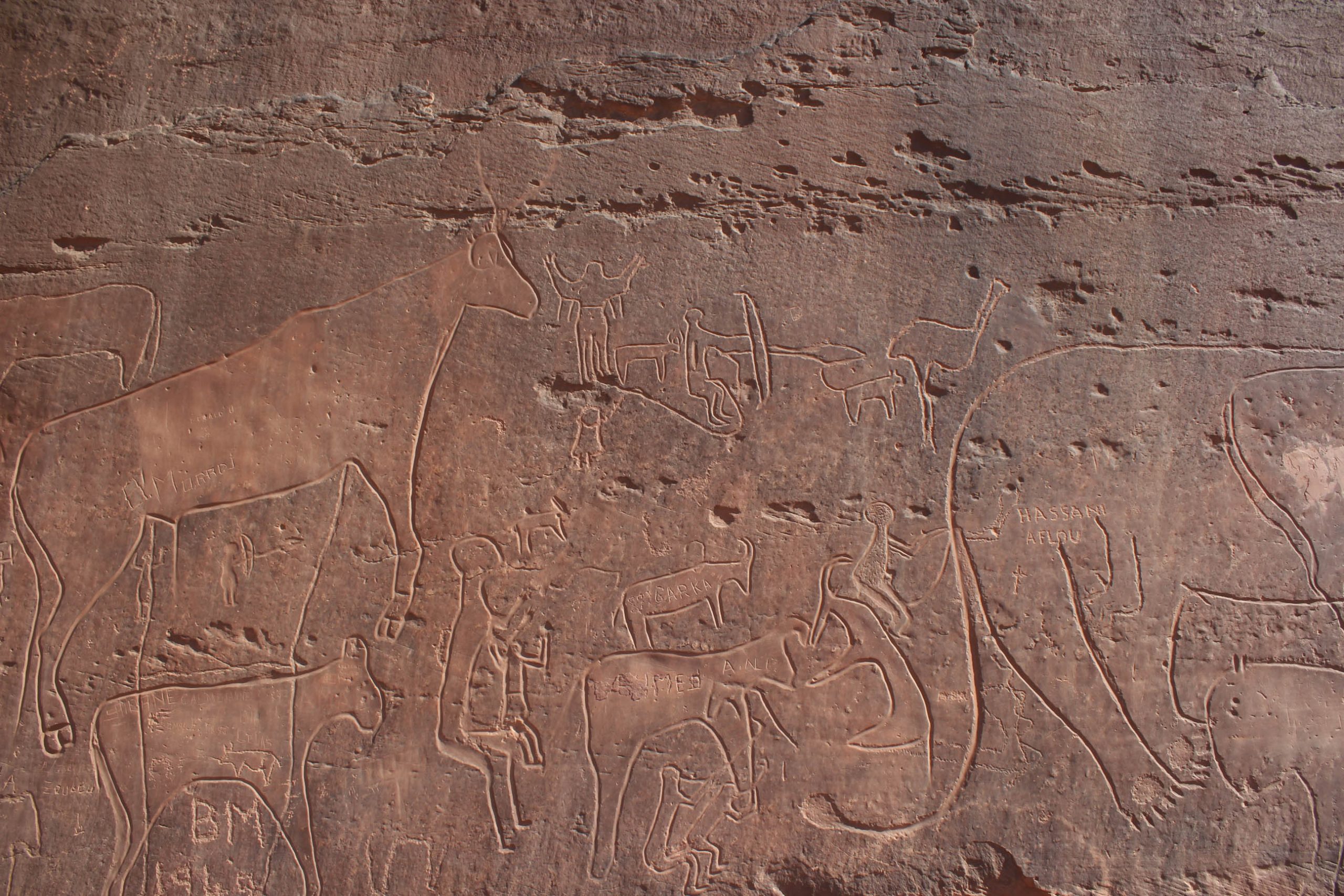
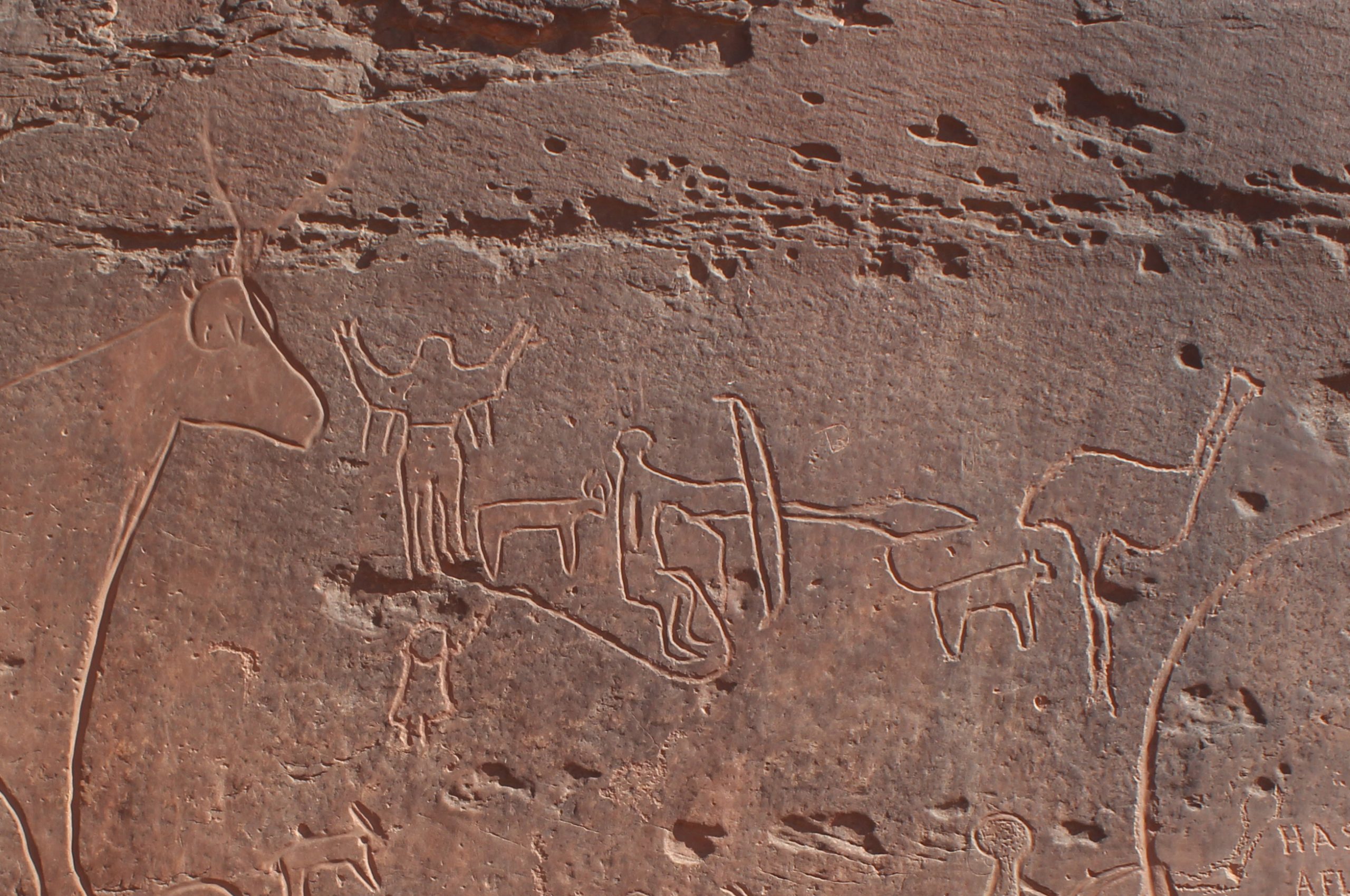
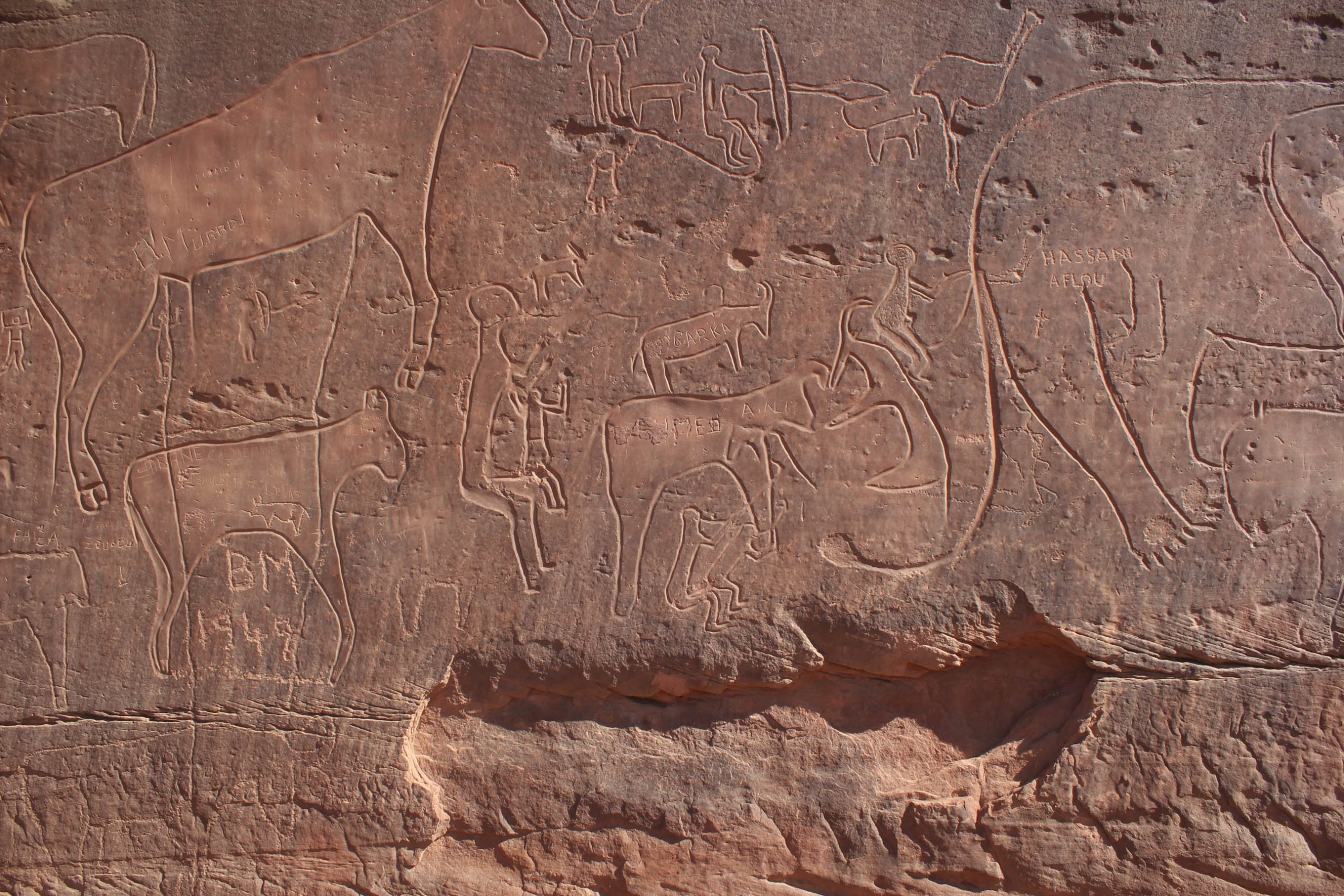
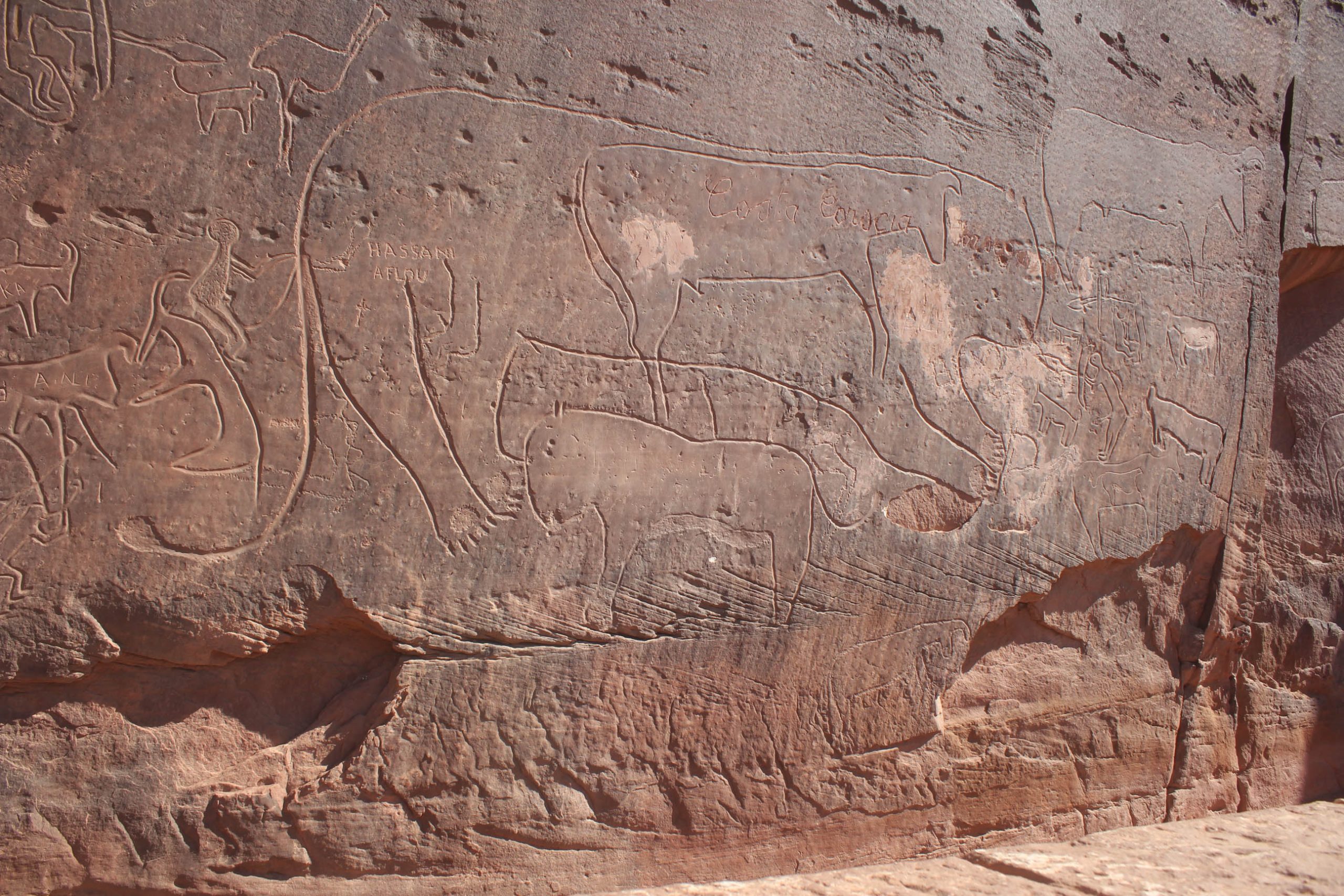
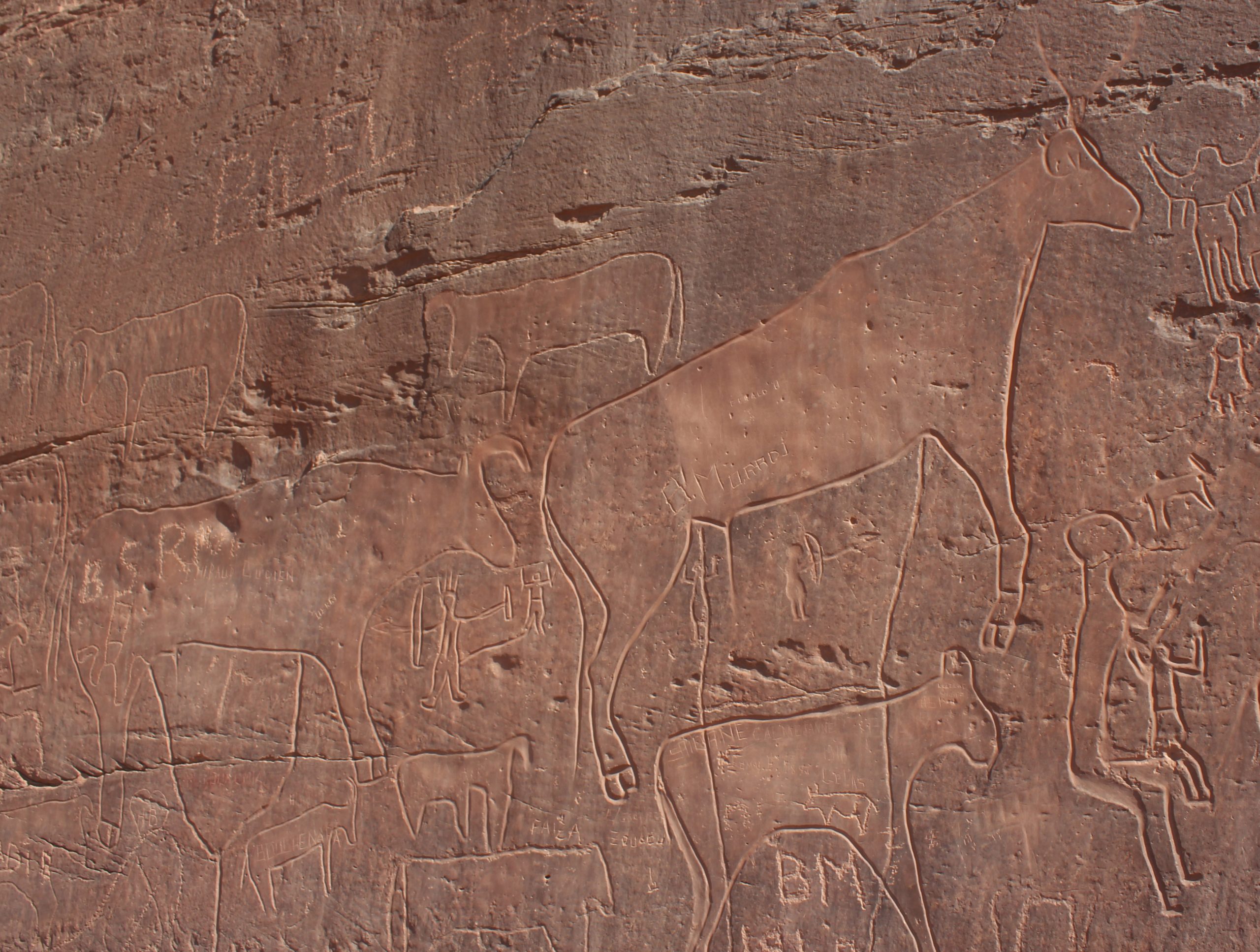
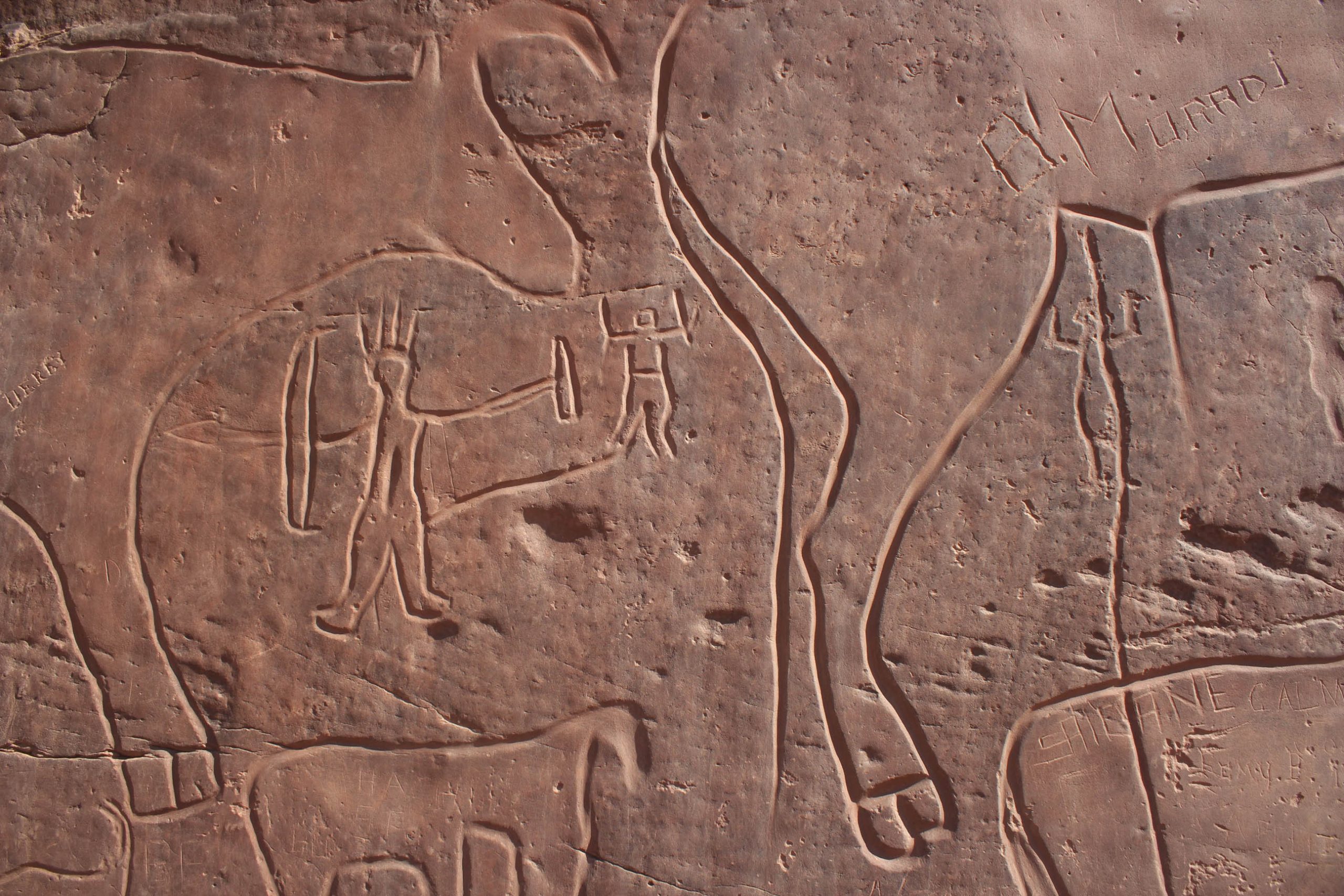
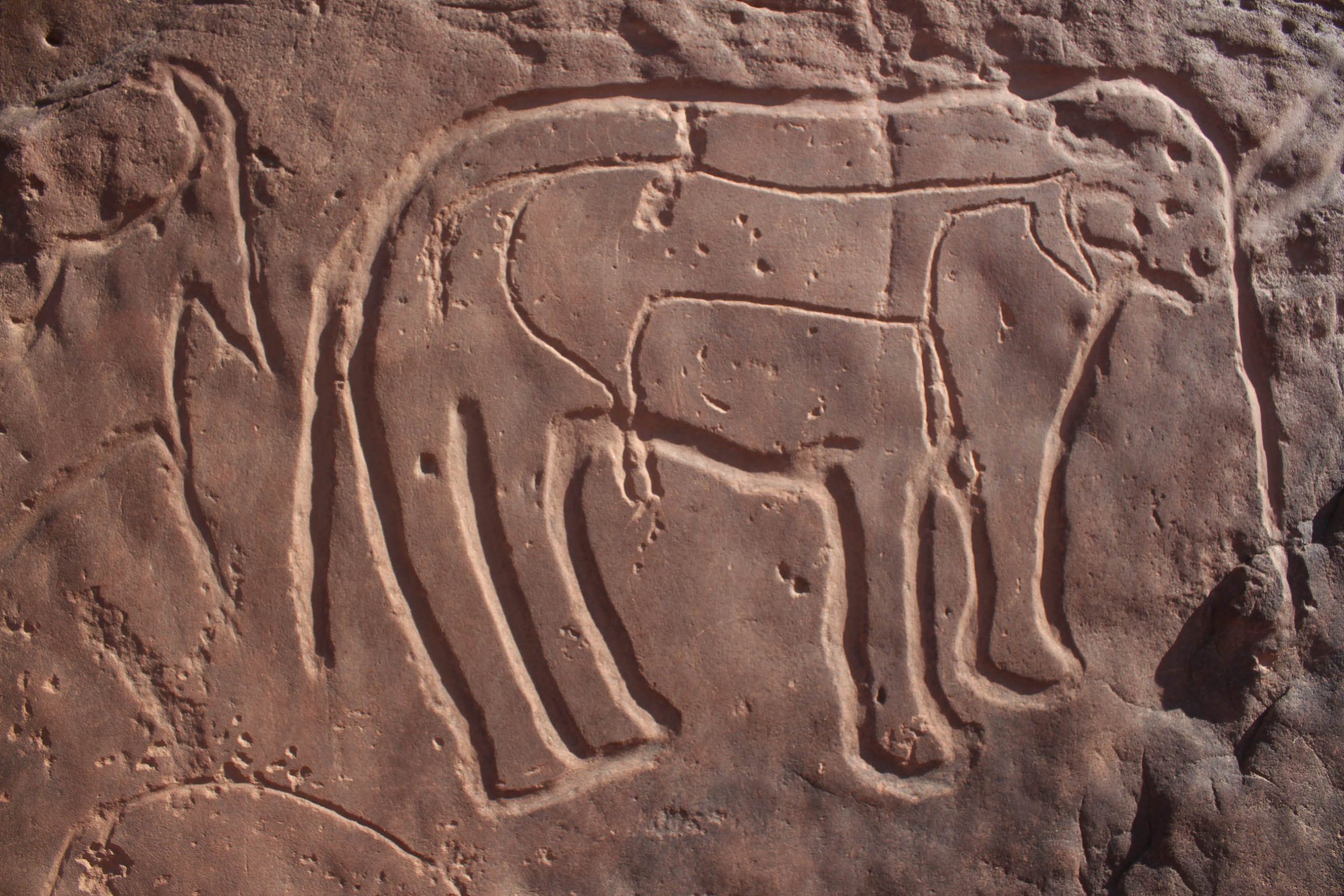
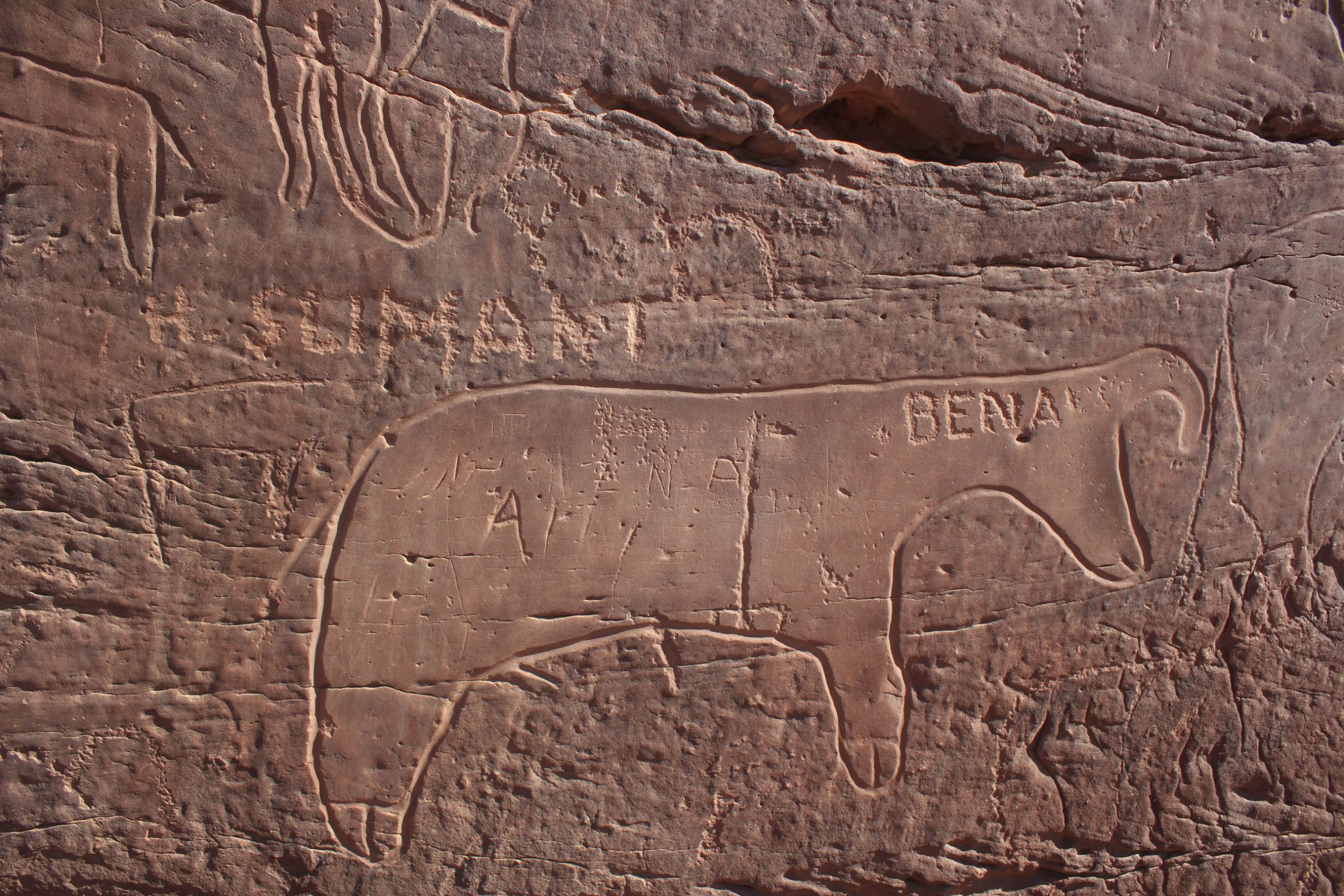
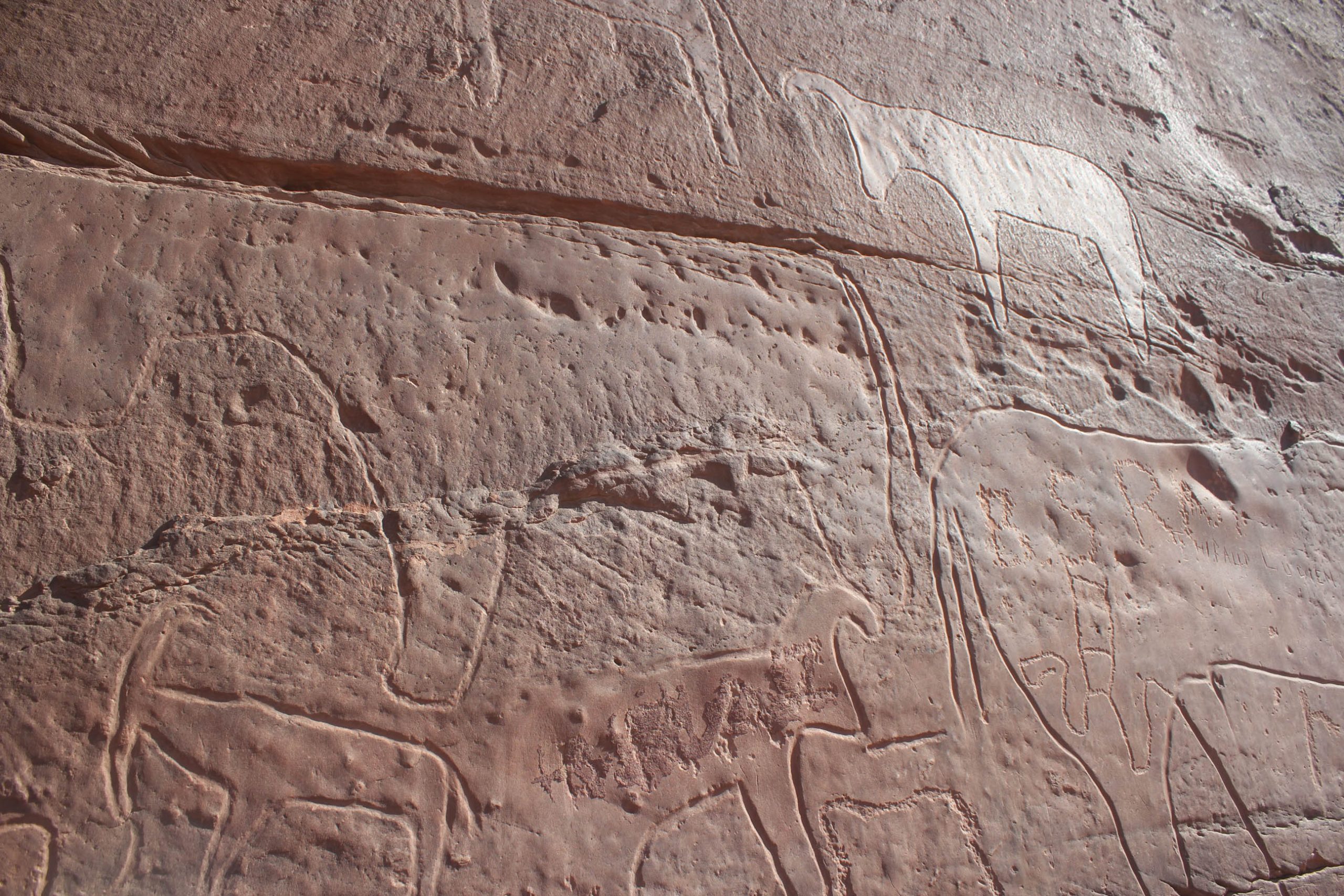
The Tiout site in southern Algeria is known for its ancient rock engravings, depicting animals like antelopes, cattle, and human figures. These petroglyphs date back thousands of years and offer insights into the region's prehistoric environment and culture.
Tiout is part of Algeria's broader rock art heritage, similar to sites like Tassili n'Ajjer, revealing the early Sahara when it was more fertile.
1
TIOUT SITE
.
The Tiout rock engravings, located near the oasis of Tiout in southern Algeria, are ancient petroglyphs depicting animals like antelopes and cattle, as well as human figures. These carvings, thousands of years old, reflect the life and environment of prehistoric Saharan societies. The engravings provide a glimpse into a time when the Sahara was fertile and inhabited by early humans, making Tiout a significant site in Algeria's rock art heritage.
These ancient carvings offer insight into early Saharan societies and their environment.

TIOUT point cloud
.
The 3D point cloud generated for the Tiout rock engraving site offers a precise digital interpretation of the engraved panels and their geological context. The model records the carved motifs, incision depths, and surface morphology of the rock, ensuring an accurate representation of both the artwork and its natural setting.
Through this digital reconstruction, fine elements such as engraving techniques, erosion marks, and spatial relationships between figures become clearly visible. This makes the model an essential tool for research, interpretation, and archival purposes, contributing significantly to the safeguarding and transmission of the site’s cultural value.
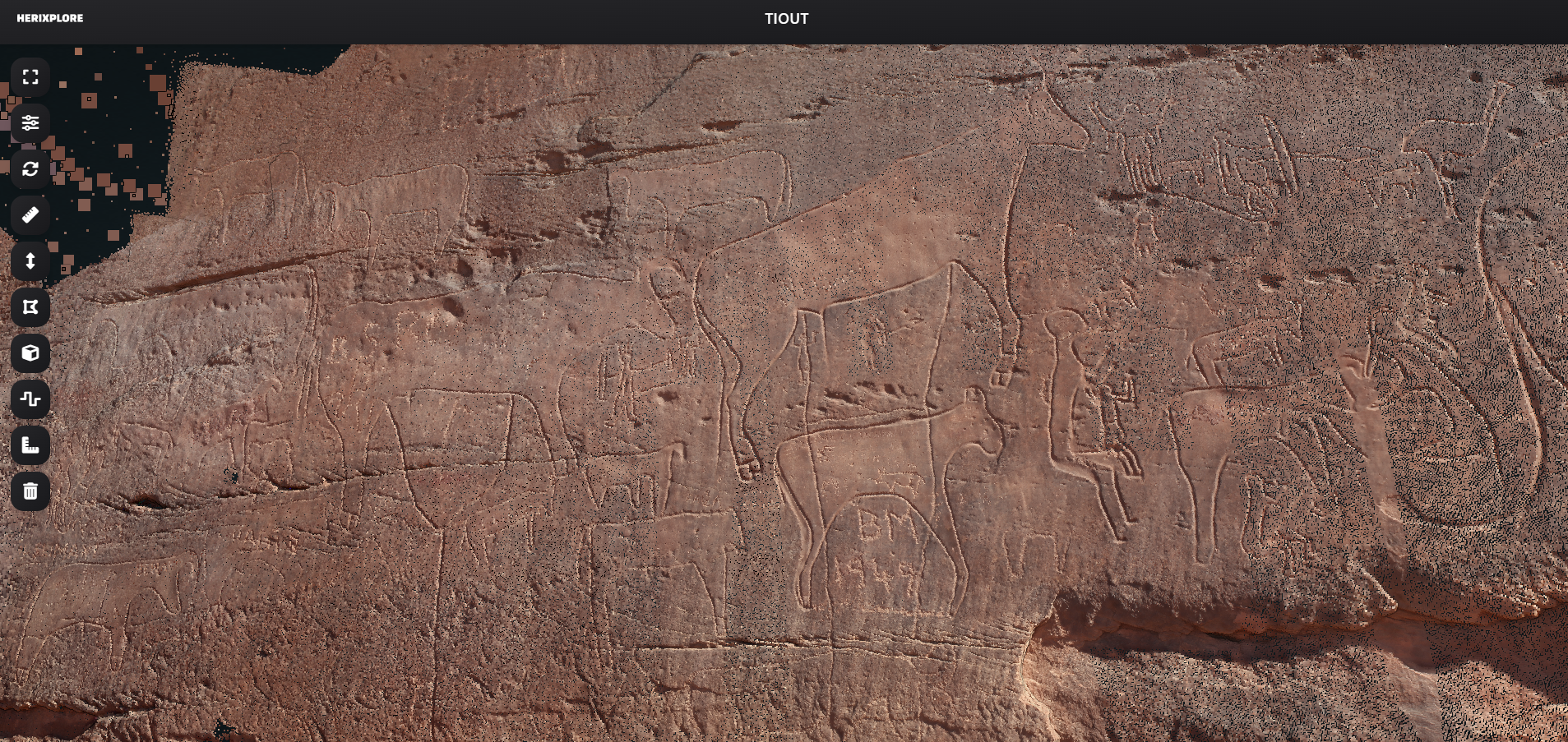 Open Potree viewer
[Best_Wordpress_Gallery id="2"]
Video of the project
.